 In the early ‘Seventies, the work-horse helicopter of choice for North Sea operations was the Westland Wessex – usually flown by former Royal Navy Fleet Air Arm pilots – with the pilot sitting higher than the cabin.
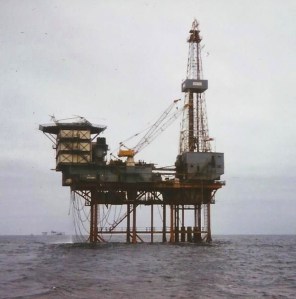
Obliged to always fly below the cloud cover because of the danger of crashing into a drill derrick when coming in to land on the pocket-handkerchief-sized landing pads on the gas and oil platforms, the pilots – seated at a higher level than those in the cabin – would often rely on the commentary from the ‘door-man’ (usually the first guy to board) using a throat-mike to communicate with the cockpit.
On one occasion – and desperate to get out to the platform because our pay increased dramatically when, as divers, we moved from “standby” to “operational” status – the weather was starting to close in as we took off from the helipad at Great Yarmouth.
On this occasion, the chopper’s ‘cargo’ consisted of just three divers, all of us anxious to get aboard our target platform and, as a consequence, urging the pilot to fly beneath the cloud cover and to drop lower … and lower .. and lower … until our door-man – seated next to the chopper’s open cabin door – cracked.
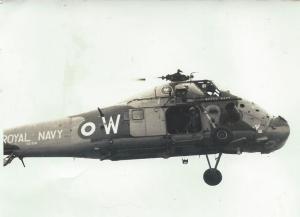
“We’ve changed our minds. Please! Please! Can we just forget it, turn around and go back to base? The tops of the waves are being blown into the cabin”, he grumbled to the pilot, “and we’re getting wet.”
The pilot, on this occasion, relented and was happy to oblige.
—ENDS—
Categories: General
 NEKTONIX